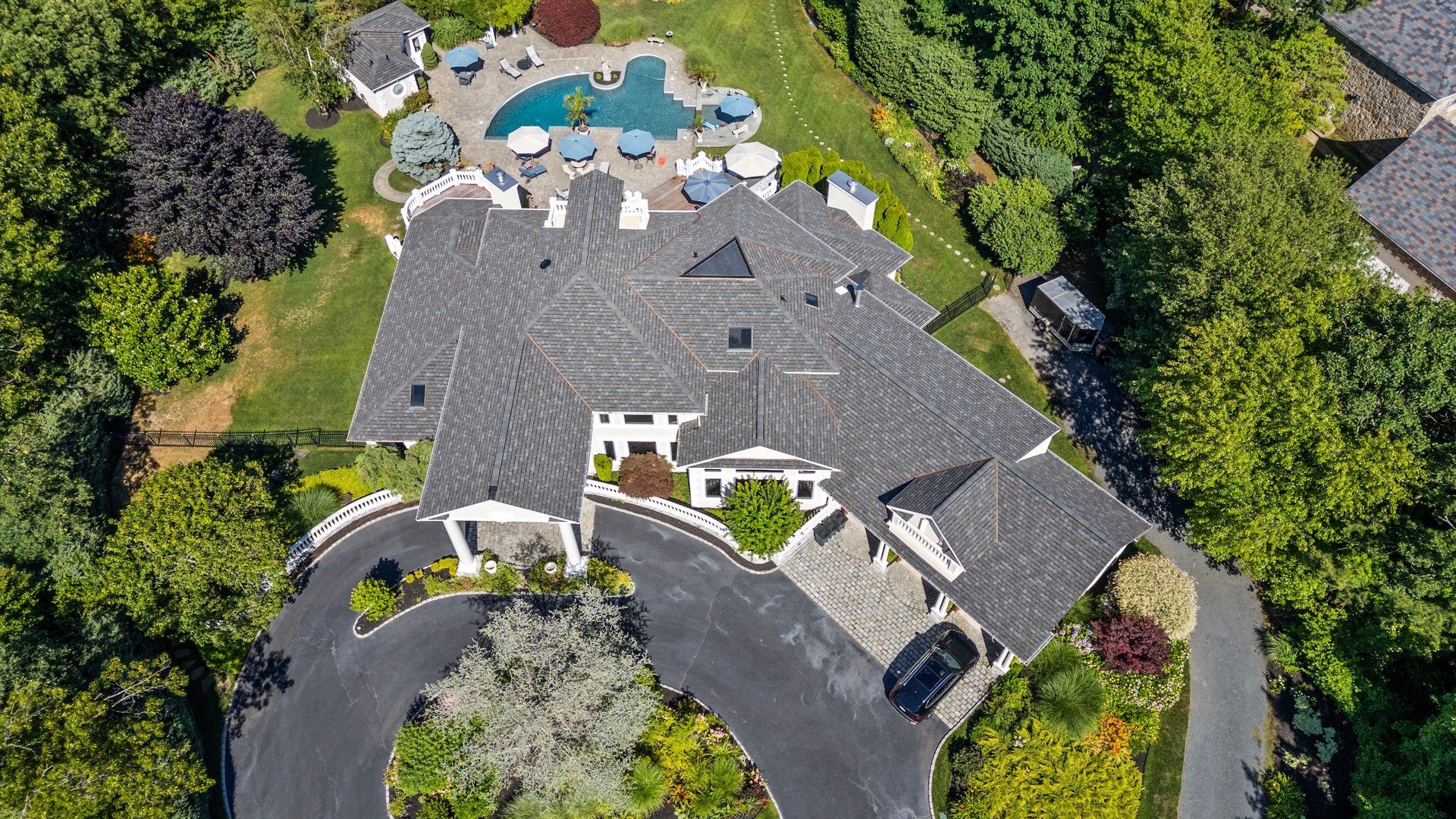
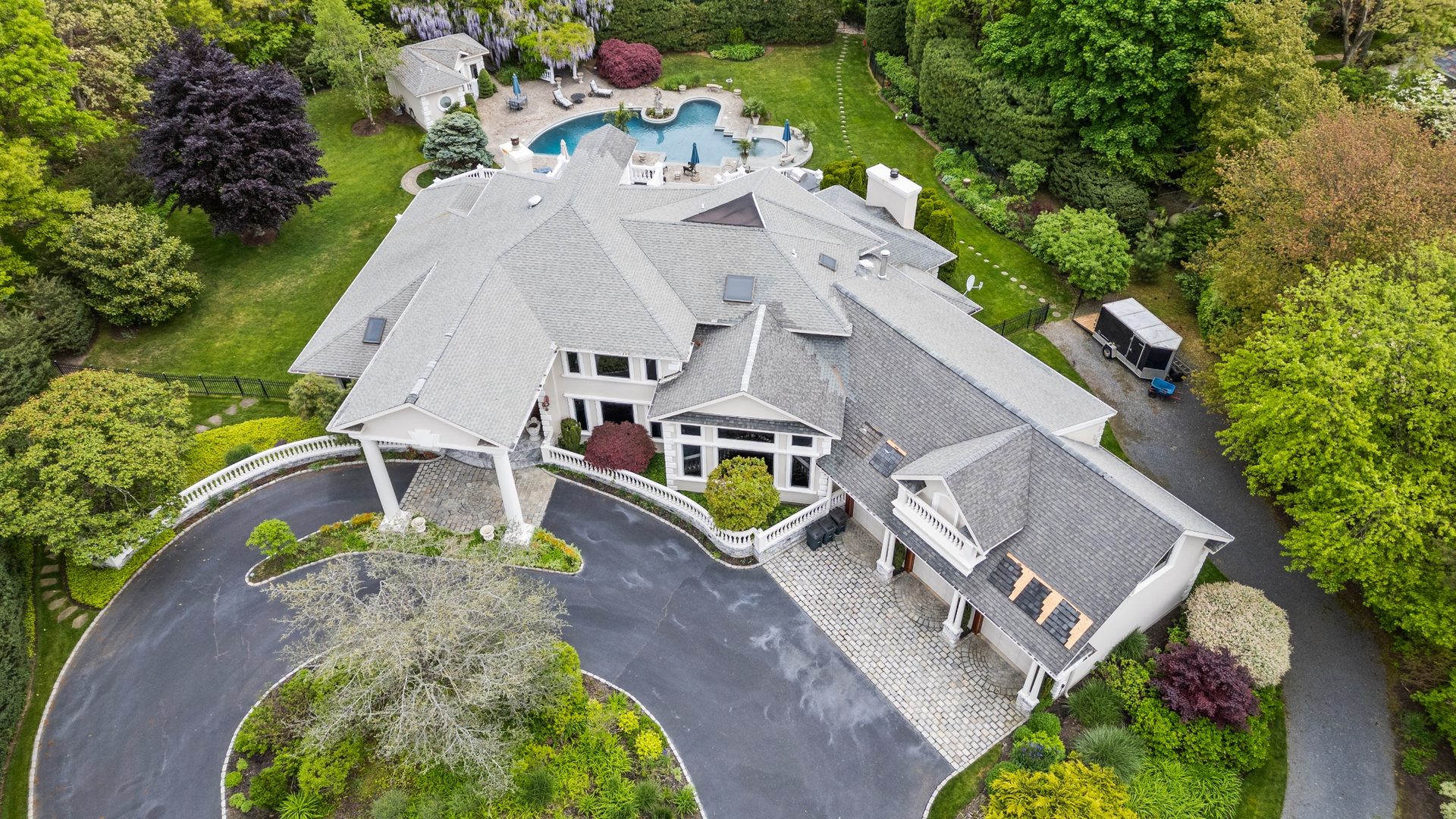
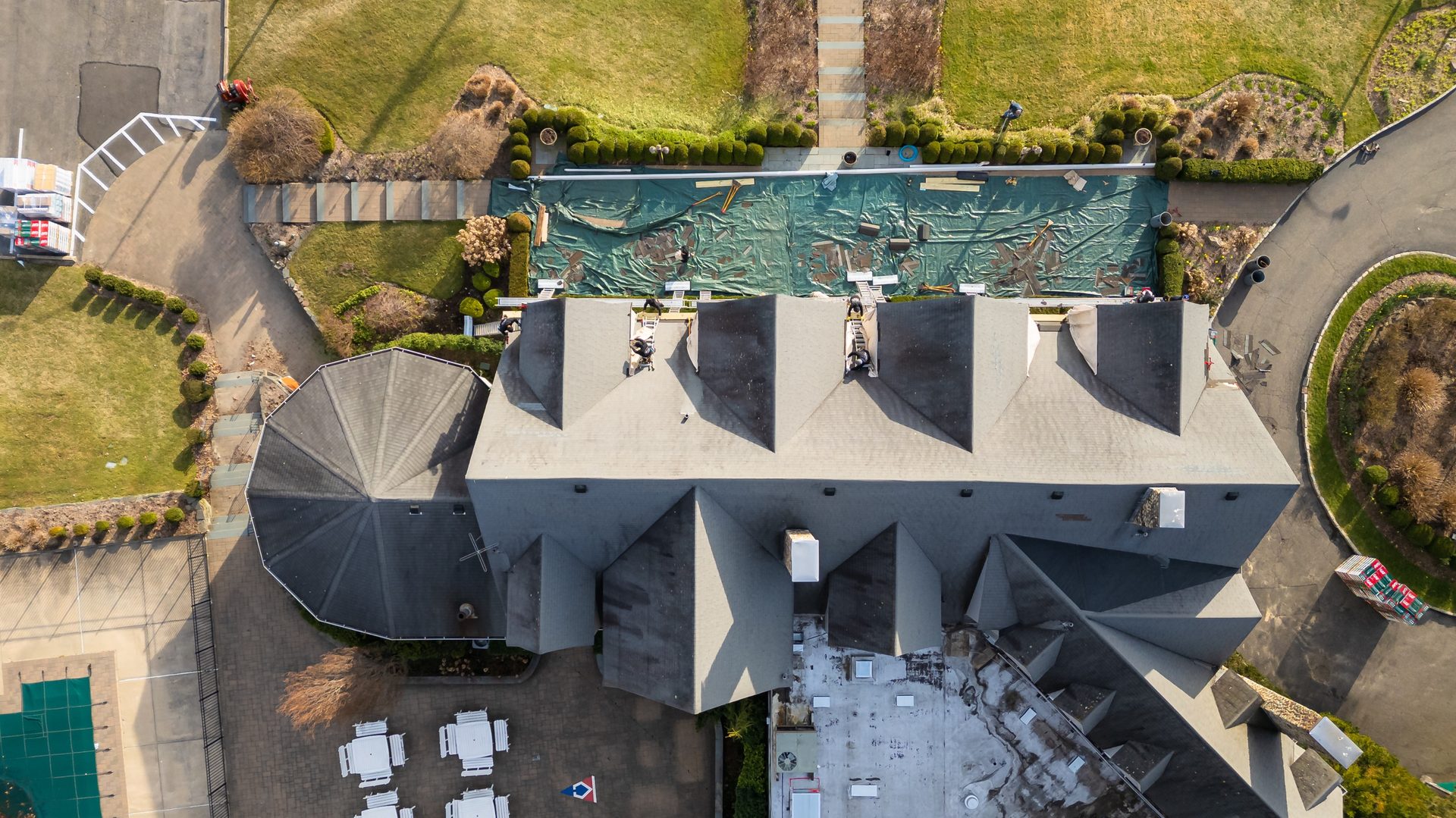
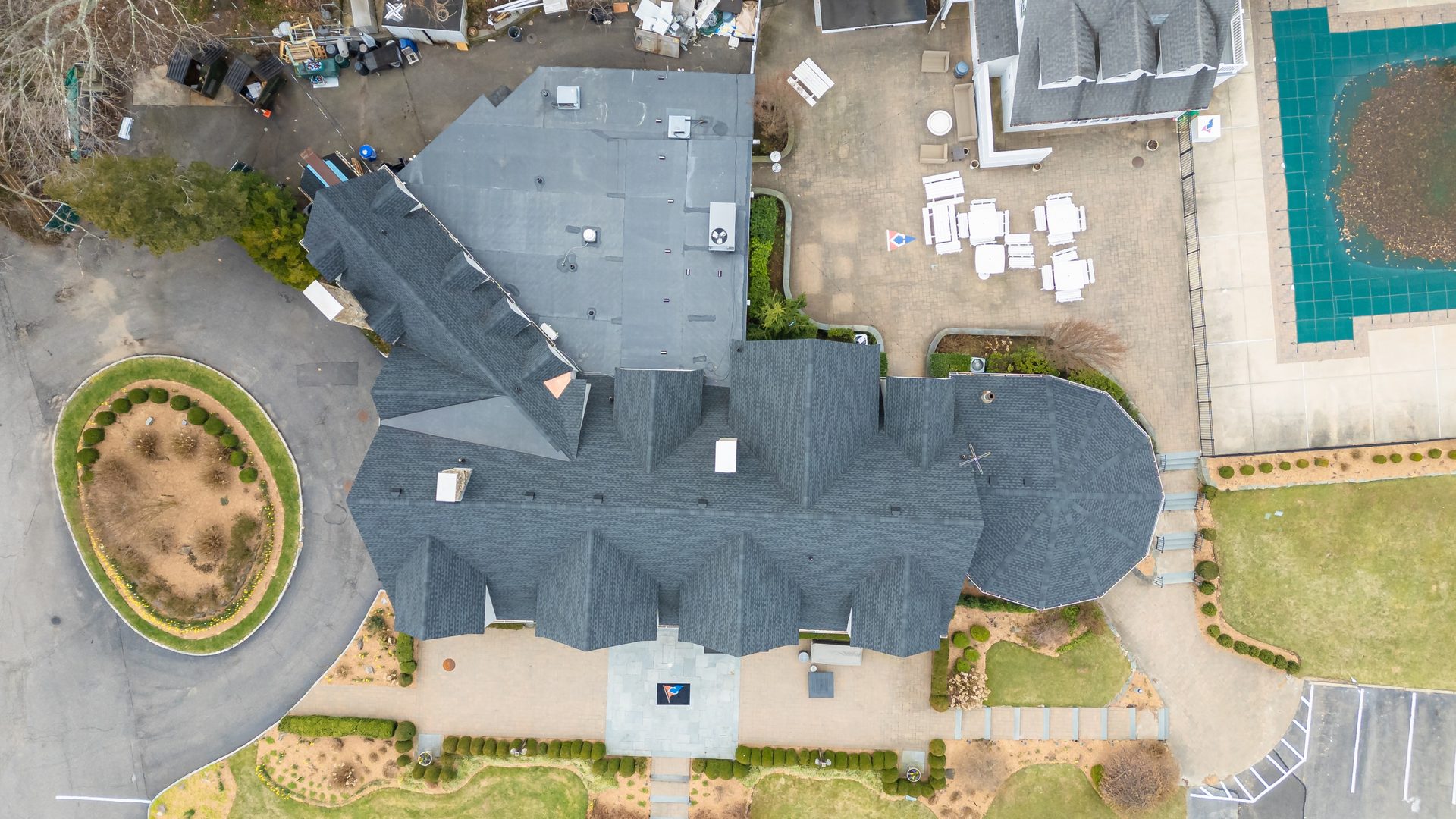
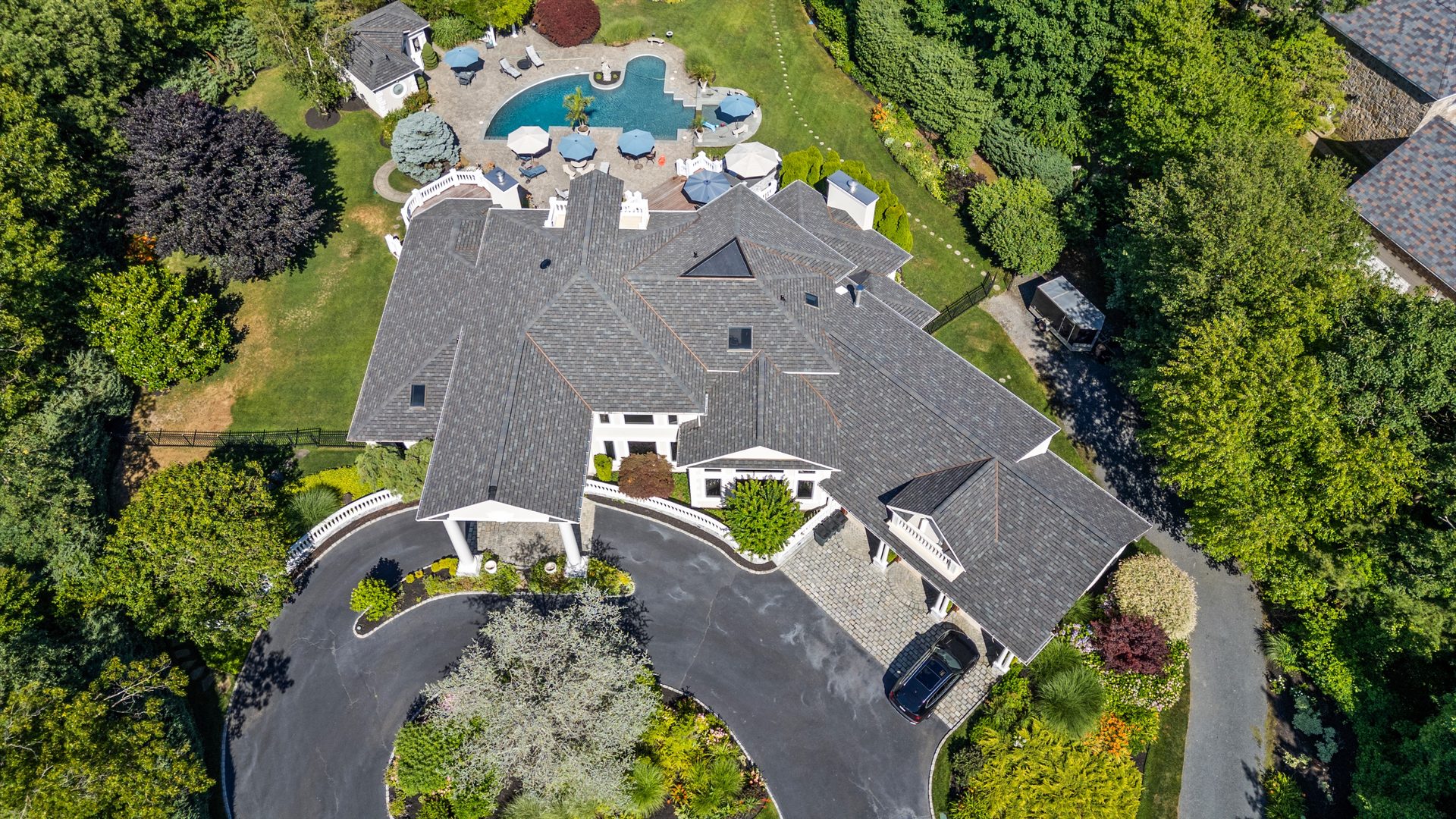
Now consider a family-owned roofing company generating $2 million annually.
It's been operating for 20 years.
It has a 4.8-star Google rating but only 85 reviews.
Approximately 75% of its business comes from referrals.
The company spends $3,500 monthly on marketing and wants to grow its commercial roofing division.
This is a completely different situation.
The $2 Million to $5 Million Problem
I often talk about what I call the $2 million to $5 million problem.
Businesses can reach this stage of growth and discover that the systems that helped them become successful aren't necessarily the systems that will take them to the next level.
A family-owned roofing company might have spent 20 years building relationships.
The father knows contractors, homeowners, property managers, and people throughout the community.
That's valuable.
But what happens when the company wants to grow beyond those relationships?
What happens when the next generation takes over?
A business that relies heavily on referrals may have a strong reputation, but it also needs additional ways to generate opportunities.
The phone needs to ring for reasons other than someone knowing the founder.
Residential and Commercial Customers Are Different
One of my first recommendations would be to separate the residential and commercial marketing strategies.
Not necessarily into two different companies.
The same company can maintain one brand while marketing its services differently.
Residential customers might search Google for roof repairs, leaks, or waterproofing services.
Commercial customers may include property managers, developers, general contractors, and building owners.
Those buyers have different concerns.
A homeowner might want to know whether you can repair a leak quickly.
A commercial developer wants to know whether your company has the equipment, personnel, insurance, experience, and capacity to complete a substantial project.
That's why I wouldn't recommend spending heavily on social media reels for the commercial side of this business.
The Website Gets You a Seat at the Table
For commercial businesses, I believe the website has a specific job.
It needs to establish enough credibility to generate a phone call or meeting.
But the website doesn't necessarily win the contract.
The website gets you a seat at the table.
Once you're sitting across from a developer or general contractor, you need professional materials that demonstrate your capabilities.
That includes:
A corporate capabilities presentation.
Professional photography of the team, vehicles, equipment, and facilities.
A portfolio of completed projects.
Case studies demonstrating project complexity.
Leadership experience and qualifications.
Professional video showing the company's operational capacity.
The company also needs proposal materials that communicate why it's qualified for the opportunity.
This is where polished photography and video production can justify a larger investment.
A professional video showcasing a roofing company's capacity may be more useful in winning commercial opportunities than producing dozens of unrelated social media reels.
Expertise Can Be More Valuable Than Another Job-Site Video
There's another opportunity I would explore.
If the founder has 20 years of roofing experience, why aren't we showcasing that knowledge?
I would encourage the owner to appear on industry podcasts, participate in interviews, and discuss the lessons learned from operating the business.
Those conversations could then be repurposed into shorter educational videos.
Instead of constantly showing another roof replacement, we could explain common commercial roofing problems, maintenance considerations, and what property managers should understand before hiring a contractor.
We're not simply showing people what the company does.
We're showing them what the company knows.
Strengthen Organic Visibility Before Scaling Paid Advertising
This company currently spends approximately $2,000 monthly on Google Ads.
Roofing can be a competitive advertising category, and individual clicks can be expensive.
For illustration, imagine a campaign with a $50 cost per click.
A $2,000 budget would purchase approximately 40 clicks.
That doesn't mean 40 phone calls.
Only some of those visitors may contact the company, and only some inquiries may become qualified leads or customers.
That's why I want to understand the website's conversion rate, lead quality, and customer acquisition costs before recommending a larger advertising budget.
I also want the company to have a strong organic presence.
If someone discovers the company through an advertisement and then researches it, I want them to find a credible website, strong reviews, and clear evidence of experience.
Paid advertising and organic visibility should support one another.
For this hypothetical company, I would consider increasing the monthly marketing allocation to $7,000.
I might invest approximately $5,000 monthly in foundational improvements and reserve the remaining $2,000 for future advertising, rather than immediately spending everything.
Over three months, that reserve could accumulate to $6,000.
But I wouldn't automatically spend it at the end of 90 days.
I'd first evaluate whether the company was ready to convert additional traffic into profitable business.